Type “where to stay in the White Mountains” into any search bar and you’ll get the same three answers: Lincoln, North Conway, Bretton Woods. They’re fine answers. They’re also incomplete. The range has a fourth side — the north — and it’s the one most first-time visitors never hear about, because nobody up here has ever spent much on advertising.
Red Fox Inn sits on Main Street in Lancaster, the county seat of Coös County, where Routes 2 and 3 cross on the northern edge of the mountains. We’re going to make the case for basing your trip up here. And because we’d rather earn a repeat guest than oversell a first booking, we’ll also tell you exactly when you shouldn’t.
First, how the White Mountains actually lay out
The confusion starts with geography. “The White Mountains” isn’t a town — it’s a national forest of nearly 800,000 acres wrapped around the Presidential Range, and the lodging clusters into a few distinct corridors. Most visitors end up in one of three:
- Lincoln–Woodstock, on the southwest side: Loon Mountain, the western end of the Kancamagus Highway, Franconia Notch at the doorstep.
- North Conway, on the east side: the region’s biggest concentration of hotels, restaurants, and tax-free outlet shopping.
- Bretton Woods–Twin Mountain, in the middle: grand-resort country, closest beds to the Cog Railway base station.
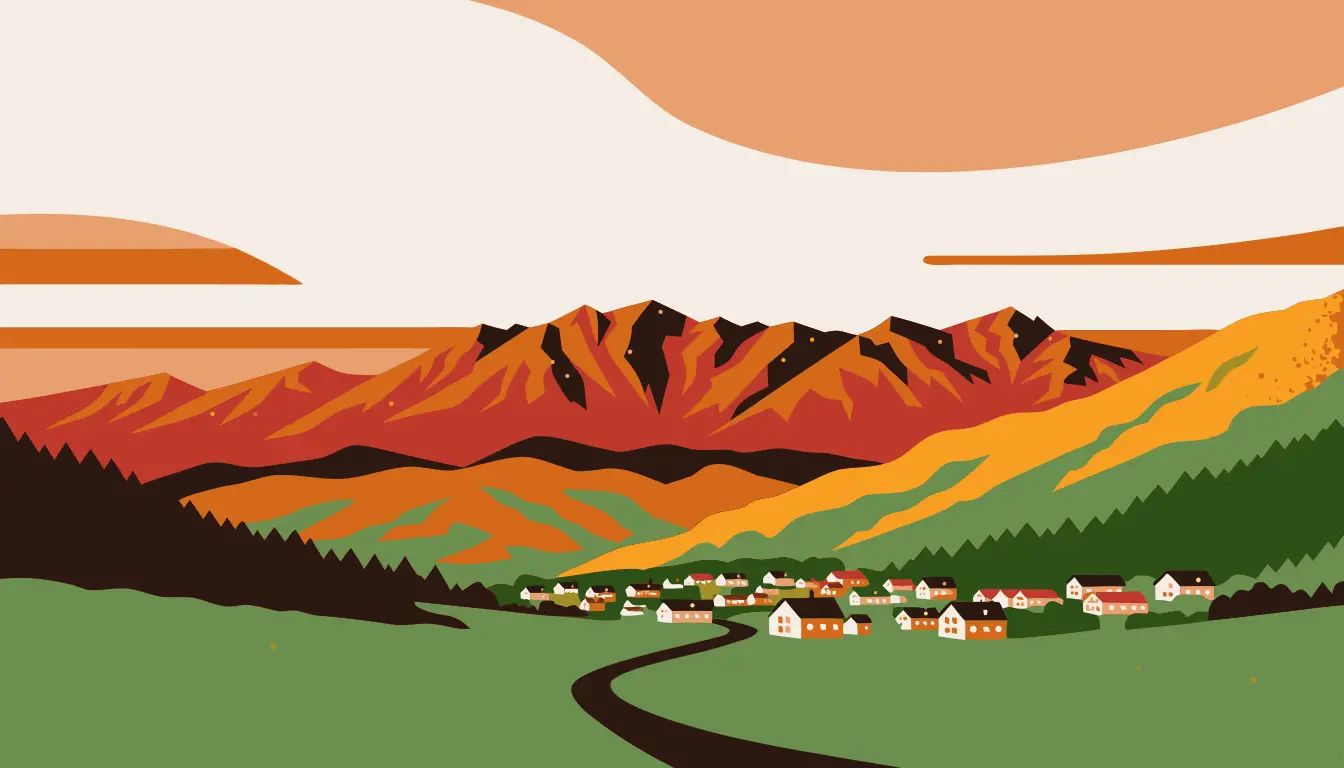
Then there’s the fourth option: the north side — Lancaster, Jefferson, Whitefield, and Littleton, strung along Routes 2 and 3 where the Presidentials taper into the Great North Woods. These are working towns, not resort strips. They were here before tourism and they’ll be here after. In fact, the White Mountain National Forest exists because of a Lancaster man: John Wingate Weeks, whose 1911 Weeks Act created the eastern national forests. The north side isn’t adjacent to White Mountains history. It is White Mountains history.
What basing on the north side actually gets you
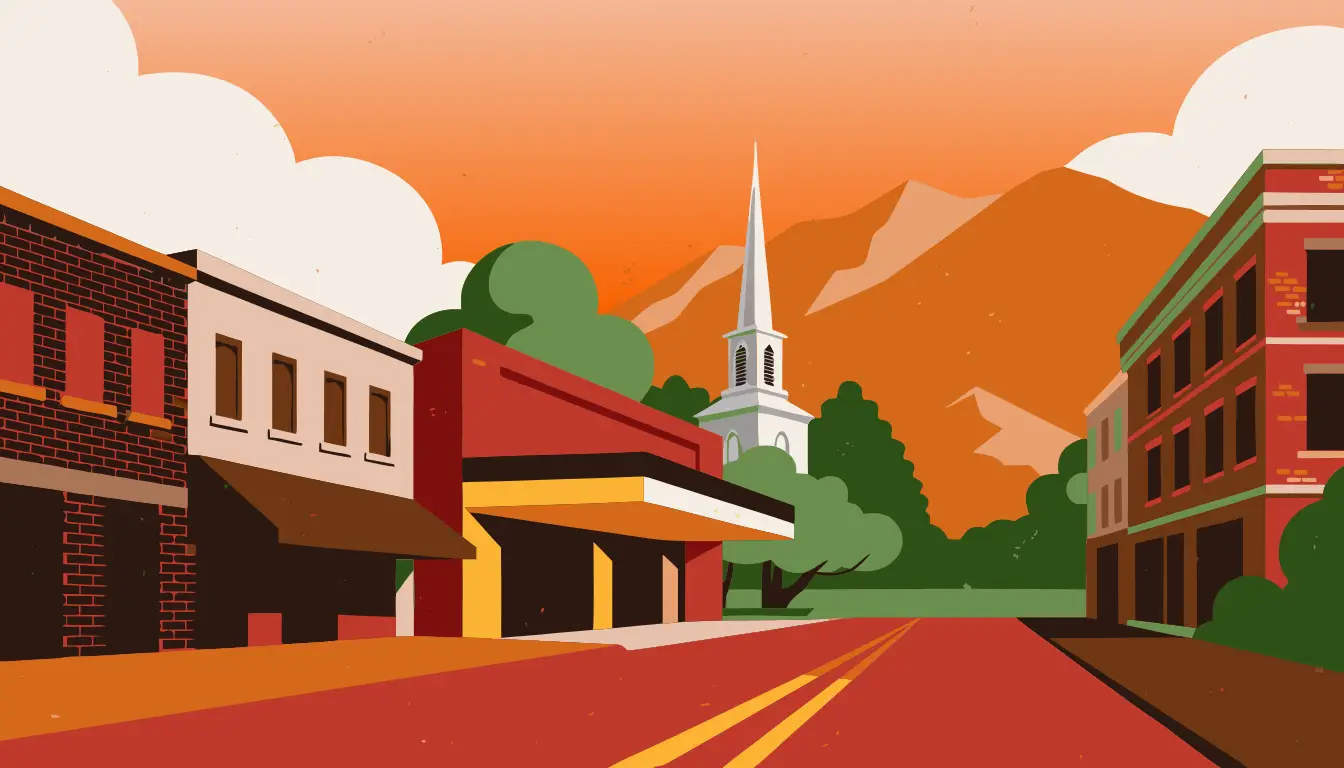
A real downtown. Lancaster’s Main Street is a functioning town center, not a commercial strip. Within a few minutes’ walk of our front door: a Polish bakery that opens early, a proper breakfast spot, a brewery in the basement of an old bank on the Israel River, a barbecue joint, a pizza place, a restored movie theater that serves beer and wine, an 1876 church, and the bronze fox in Centennial Park that’s been the town symbol since 1913. We wrote a full guide to what’s walkable from the inn. Littleton, with a lively Main Street of its own, is twenty minutes west.
Rooms from $99. Our Standard Queen starts at $99 a night, and our largest standard rooms top out at a from-rate of $129 (seasonal rates apply). Those numbers get harder and harder to find in the notch corridors, especially on summer and foliage weekends. Over a three- or four-night trip, the difference pays for your Cog Railway tickets.
Room to breathe. Peak-season Saturdays in the busy corridors mean traffic, full lots, and lines. That’s not a knock — popularity is earned — but it’s a real cost in vacation hours. Up here, you park at your door, motor-lodge style, and the loudest thing on a July evening is the fire pit.
The drive-time math: is the north side too far?
This is the standard objection, so here are the actual numbers from our parking lot at 112 Main Street:
- Santa’s Village (Jefferson) — 15 minutes
- Weeks State Park & Mt. Prospect — 5 minutes
- Mt. Waumbek trailhead (a 4,000-footer) — about 15 minutes
- Littleton — 20 minutes
- Bretton Woods ski area — 45 minutes
- Cannon Mountain skiing — 45 minutes
- Franconia Notch & the Flume Gorge — 45 minutes
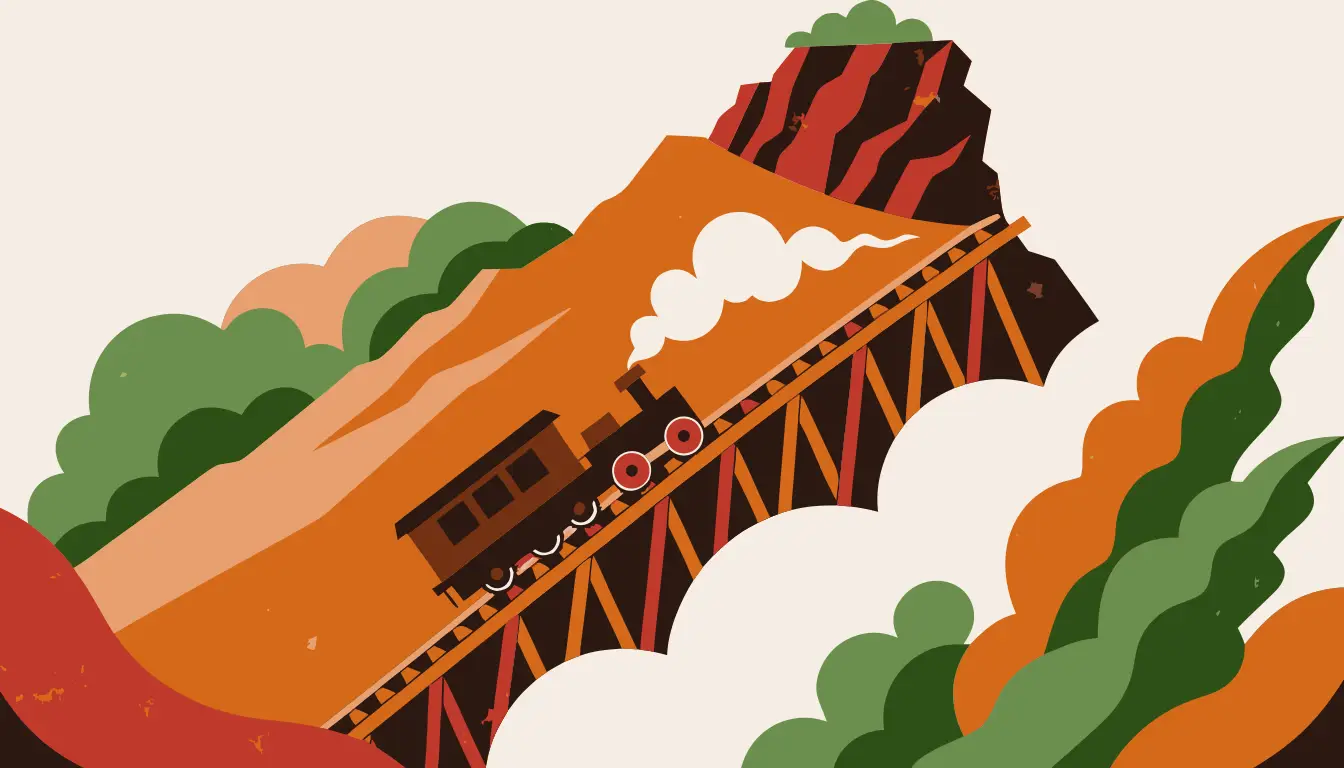
- Mt. Washington Cog Railway — 50 minutes
- Mt. Washington Auto Road — 55 minutes
- Mechanic Street covered bridge (1862) — a 5-minute walk
So the marquee attractions sit 45 to 55 minutes out. That’s real time, and we won’t pretend otherwise. But two things shrink it. First, on peak weekends, in-corridor congestion eats a chunk of the advantage of staying close; door-to-gate times converge more than the map suggests. Second, the drive itself is the good part — heading south from Jefferson on Route 115, the Presidential Range fills your windshield the entire way down. Nobody has ever complained about that commute.
Who should stay south: an honest answer
We promised no sales pitch disguised as advice, so here it is straight. Base in the southern corridors if:
- Ski-in/ski-out is the point. If the trip is about maximizing lift laps at Loon or Bretton Woods, stay slopeside. Simple as that.
- You want resort amenities. Pools, spas, room service. We’re a renovated 1955 motor lodge — we do fiber-optic Wi-Fi, a fire pit, and Wayfarer coffee at 7:30 AM. We don’t do cabanas.
- Outlet shopping is a main event. That’s North Conway’s game, and it plays it well.
- You have one day and it belongs to the Kancamagus. Stay in Lincoln or Conway and start early.
- You want dozens of restaurants within a mile. The density is south. Lancaster has a handful of genuinely good ones, not thirty.
No hard feelings. The resort corridors are good at what they do. They’re just not the only way to do the White Mountains.
Who should stay north
- Budget-first travelers. If you’re multiplying a nightly rate by four and wincing, the from-$99 math up here changes the trip.
- Families doing Santa’s Village. The park is fifteen minutes from our door — we wrote the full playbook on that trip. Being close to the gate at opening beats being close to an outlet mall.
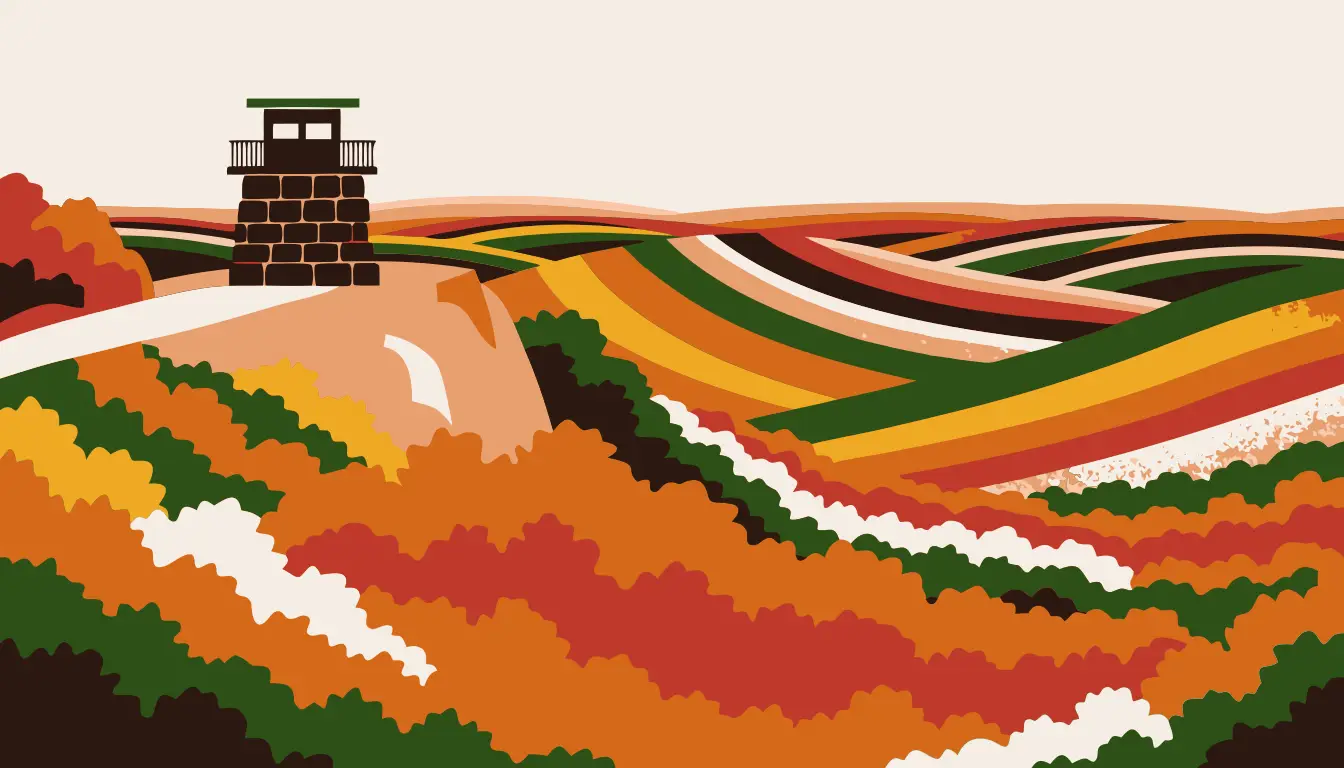
- Foliage and wildlife people. Coös County backroads in late September are the show, and the moose live up here, not on the strip. Our foliage guide covers the routes.
- Riders. ATV and snowmobile trail networks run through the Great North Woods, and a motor lodge where the machine parks at your door beats a parking garage every time.
- Hikers working the northern peaks. Waumbek, Cabot, the Kilkenny — quiet trailheads starting fifteen minutes from the inn, no 6 AM parking scramble.
- Second-trip visitors. If you’ve done the southern circuit and want to see what the region looks like when it isn’t performing for you, come north.
A sample day based in Lancaster
7:15 AM: Polish Princess Bakery, a short walk from the inn, for bread and pastries — or the continental breakfast in our lobby, which opens at 7:30. 8:00: On the road south, mountains ahead of you the whole way. 9:00–2:00: The Cog Railway up Mt. Washington, or the Flume Gorge and a Franconia Notch afternoon. 3:00: Back north with time to spare — climb the 56-foot fire tower at Weeks State Park, five minutes from the inn, for a view of everywhere you just were. 6:00: Dinner on foot: Copper Pig Brewery on the river, or Smokin’ T’s BBQ. 8:00: A movie and a beer at the restored Rialto Theatre. (The Den, our speakeasy-style bar, is under renovation and reopening soon — the nightcap is coming home.) 10:00: Fire pit. Bed. No traffic was harmed in the making of this day.
The rooms you’d be coming back to
All 27 rooms have individually controlled heat and AC, flat-screen TVs, and fiber internet, and you park directly at your door. Three fit most trips:
- Couples: the Standard Queen, from $99. Everything you need, nothing you’re paying extra for.
- Families of four: the Deluxe Queen, from $129 — two queen beds, our most spacious standard room.
- Week-long basecamps: the Extended Stay, from $129 a night or $799 a week — full kitchen with a real stove and oven, living room, private entrance, free laundry. Cook your own breakfast, pack your own trail lunches, and the savings compound.
The bottom line
Stay south and you get a resort vacation with mountains attached. Stay north and you get a White Mountains trip with a town attached — a real one, with a bakery and a brewery and a bronze fox, where the big attractions are a scenic 45 minutes away and your room costs what a room should. Neither is wrong. But only one of them is a secret.
Check availability for your White Mountains trip, or call us at (603) 788‑4921 — we’ll give you honest advice on rooms, routes, and whether the north side fits the trip you’re planning. That’s kind of our whole thing.